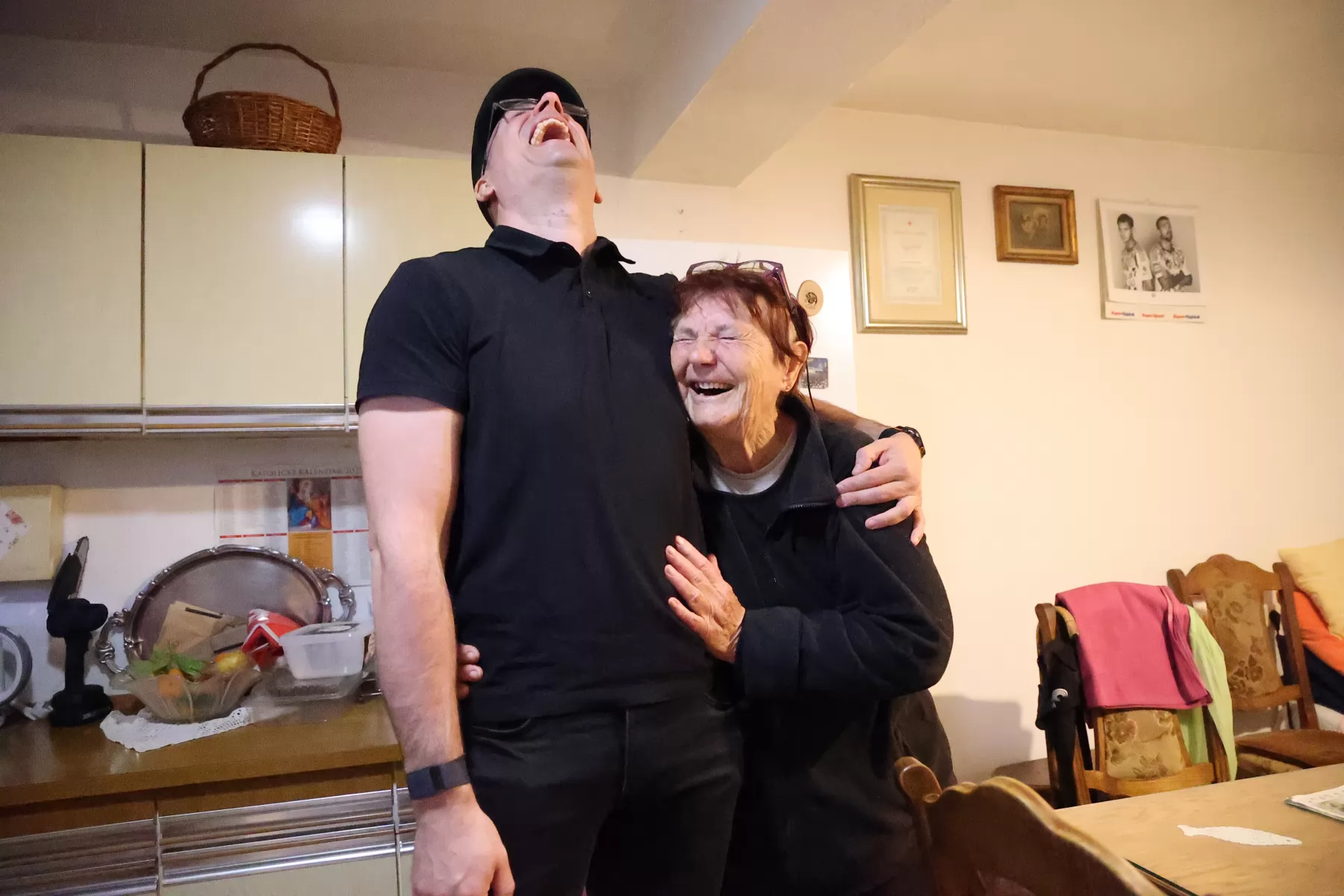
Why the kitchen? Why people? Why stories?
I was fortunate to grow up among people who deeply valued togetherness, humanity, storytelling — and, to be honest, they could talk — with food as an inseparable part of all of it
Why the kitchen?
I carry a few trades in my hands – from computers, through a bit of electrics, all the way to this one that is closest to my heart: the kitchen. Anyone who has ever worked with people, especially in service, knows how demanding and sensitive that job is. A job that often knows how to drain you and take even that last bit you thought you had kept for yourself. Cooking somehow changes that.
No matter how physically demanding, hot, chaotic and unpredictable it gets – there is something in it that gives back. The body gets tired, but the soul is full. In the kitchen, you are not alone. In that warmth that does not come only from the oven, but from looks, gestures and plates, I have met the most generous people.
People who do not hide their knowledge, who share, who help without asking for anything in return, who stay when others leave. People who, through smells and flavours, share stories, memories, struggles and quiet moments.
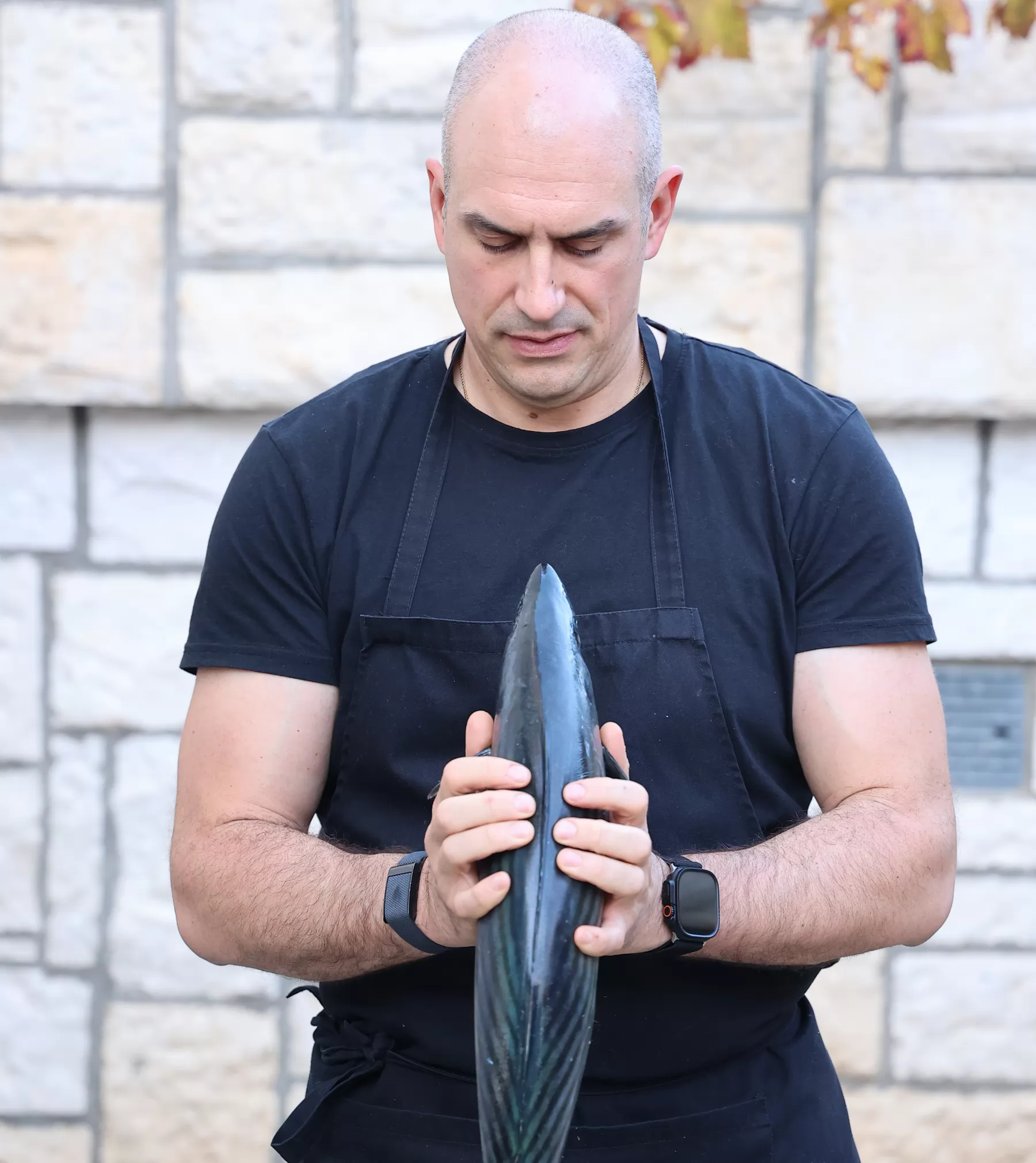
I grew up between the sea, olive trees, fire pits and old kitchens. That is not just a backdrop, it is my base – a way of thinking I try to keep in every plate and every story.
I spend a big part of my free time in the kitchens and fire pits of local people. Where the smell of smoke mixes with the smell of bread, and the warmth of the fire with the warmth of conversation, that is where I find the source I draw strength and ideas from.
It is impossible to pour thoughts onto a plate if you do not have a source that feeds you – and my source is always people, their experiences, their stories and their ingredients.
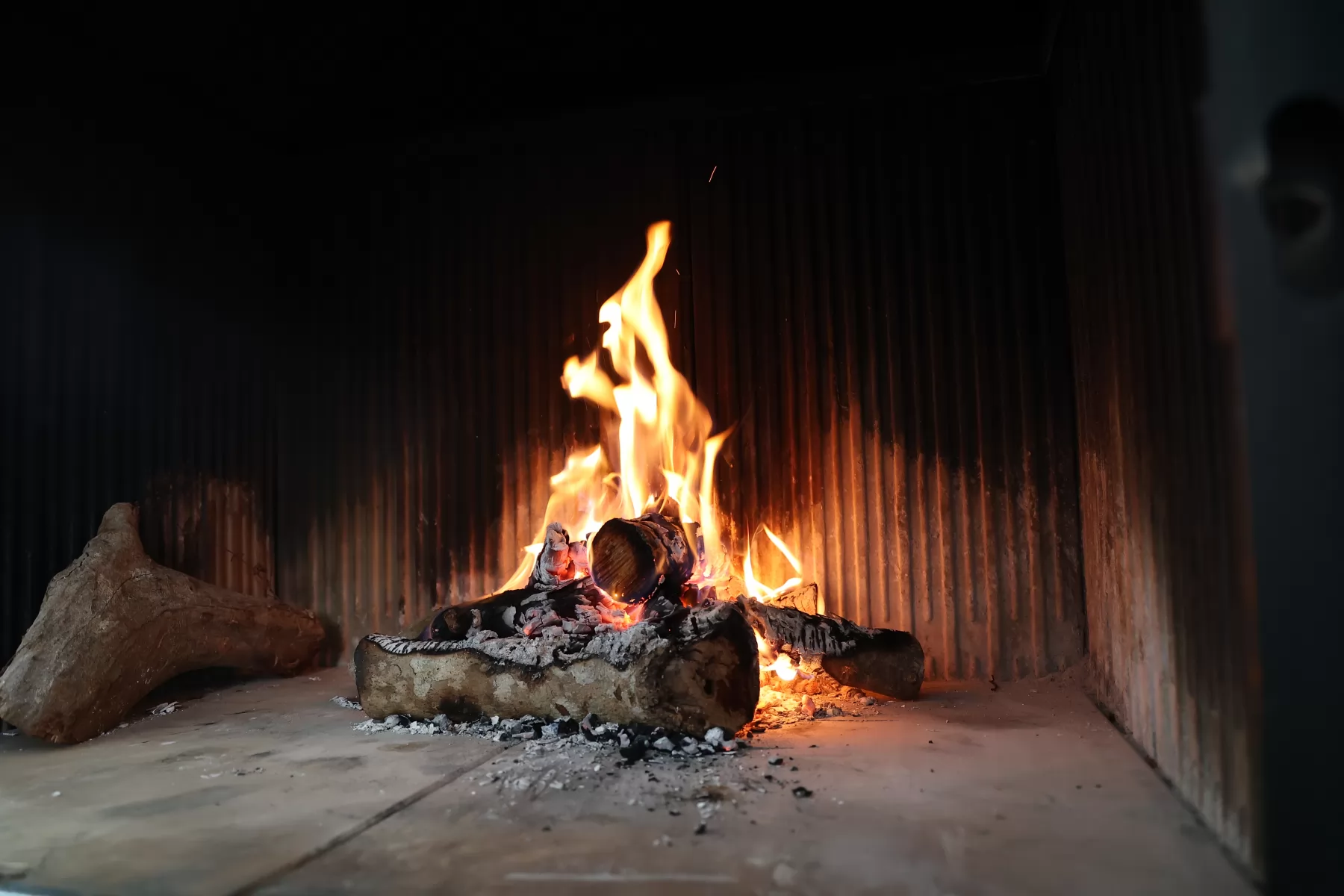
In small stone houses, under old roofs and in the shade of olive trees, you can still hear the crackling of wood on the hearth. On the fire pit there is always a pot, often simple, but always full of meaning and the spirit of its time.
Where life happens around the fire, where family and friends gather, you realise that the kitchen is not just a place where food is prepared, but a place where love, knowledge and closeness are passed on.
That is what guides me – the understanding that food is much more than fuel. It is a thread that connects generations, a space where past and future meet, and a moment in which the feeling of home appears.
I was fortunate to grow up among people who deeply valued togetherness, humanity, storytelling — and, to be honest, they could talk — with food as an inseparable part of all of it
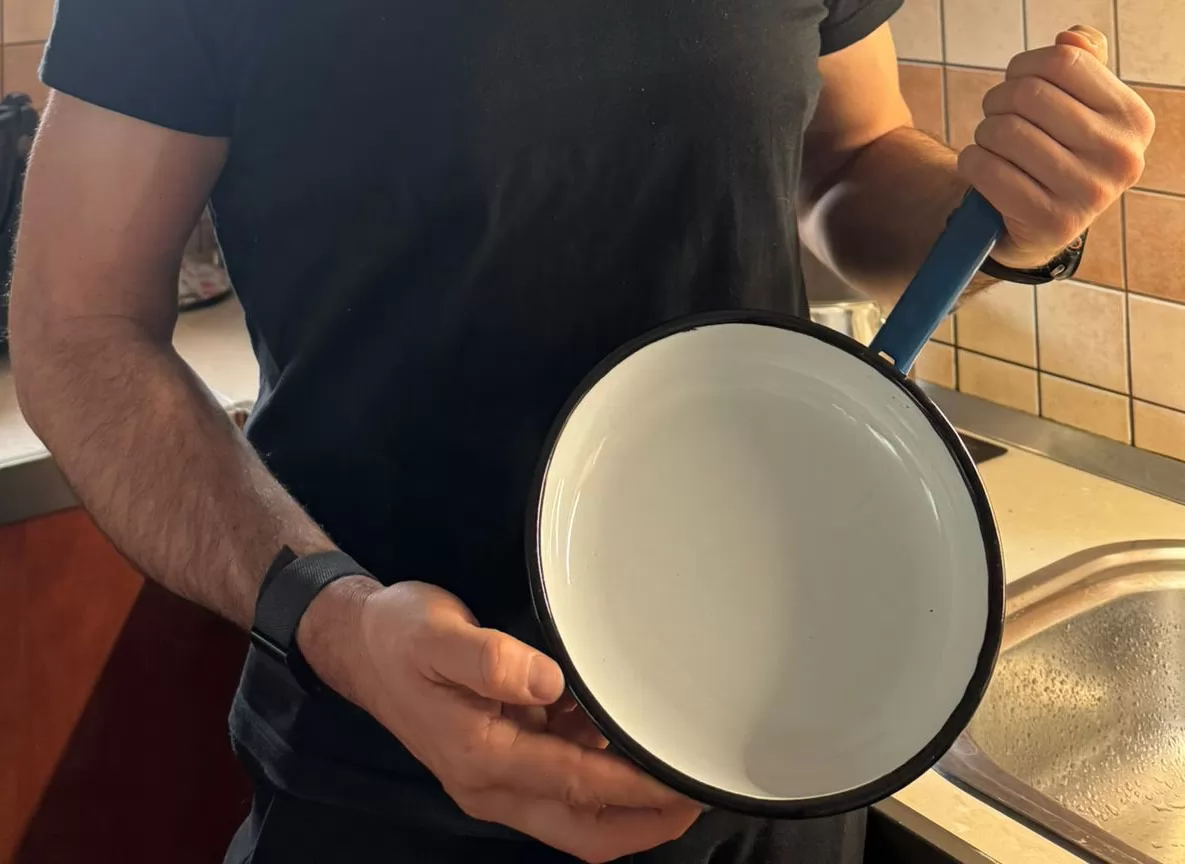
With the old dishes through which I try to tell a story and connect places and people, there always comes that urge to prepare or serve everything in the same kind of pans, pots, plates and bottles they once used.
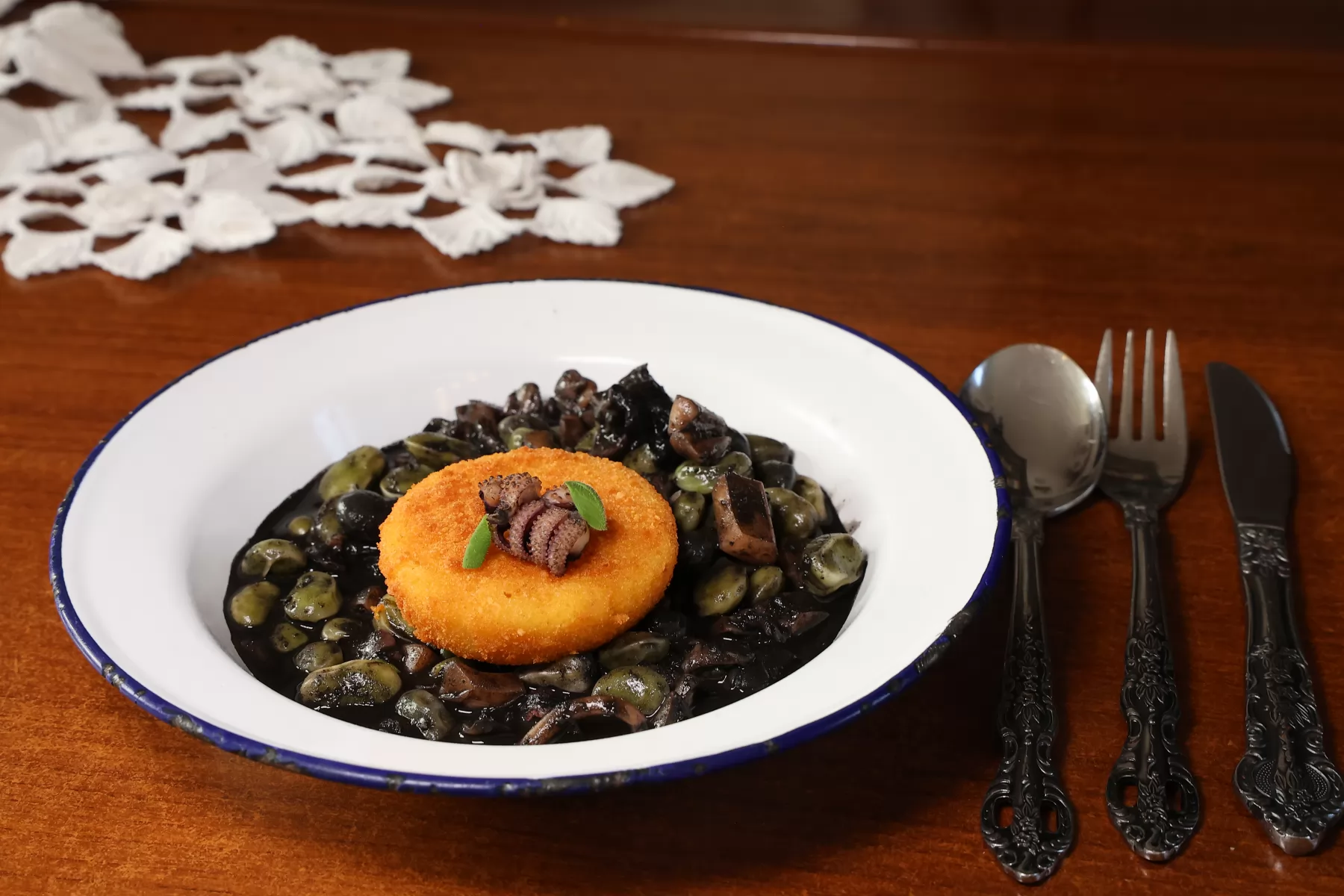
One of my earliest fishing adventures in the waters where I grew up was always the hunt for cephalopods.
And there are several reasons for that.
Today, by chance, I overheard a conversation between two young men who were mockingly retelling a story from their group of friends.
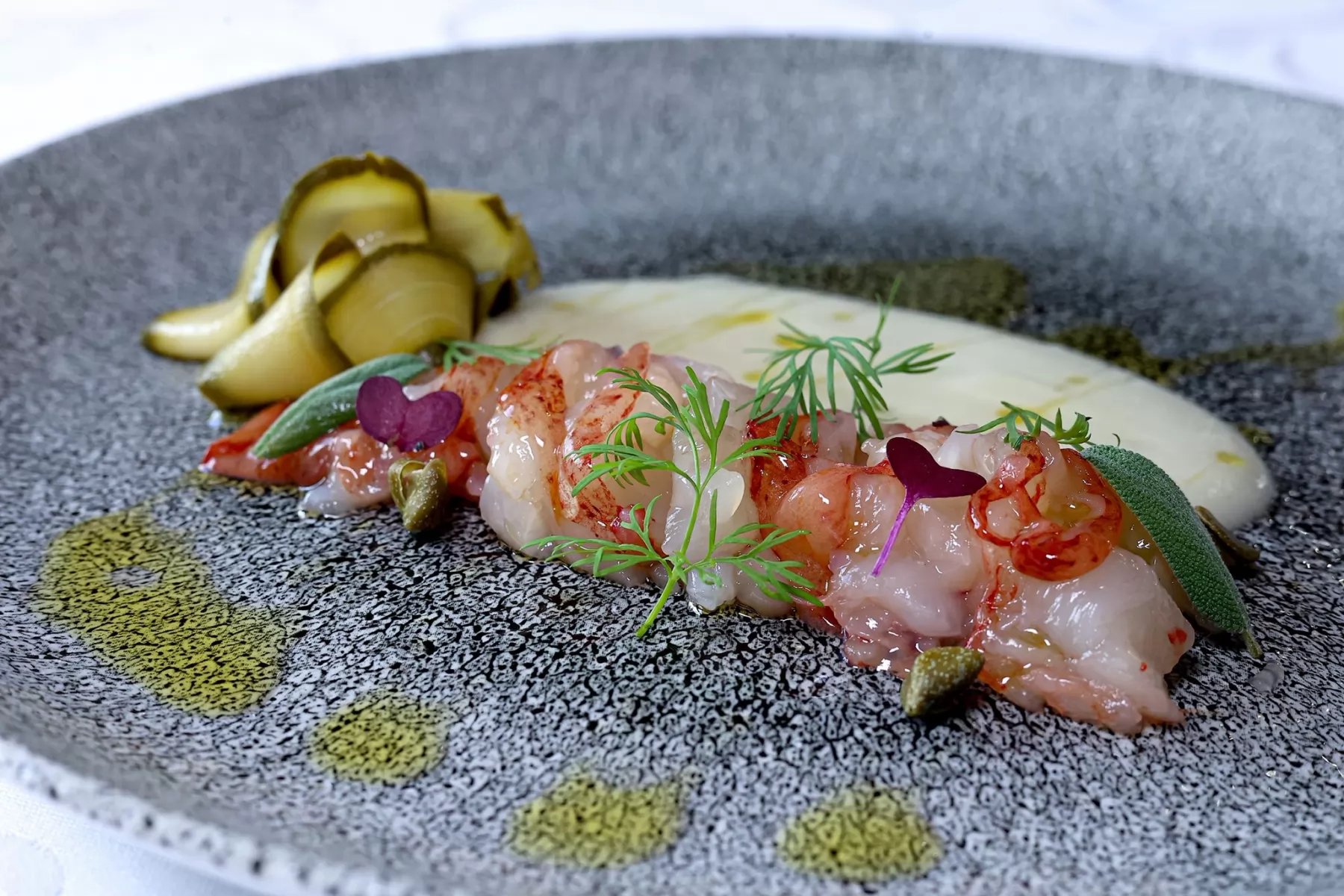
Every plate demands respect, and every preparation requires attention.
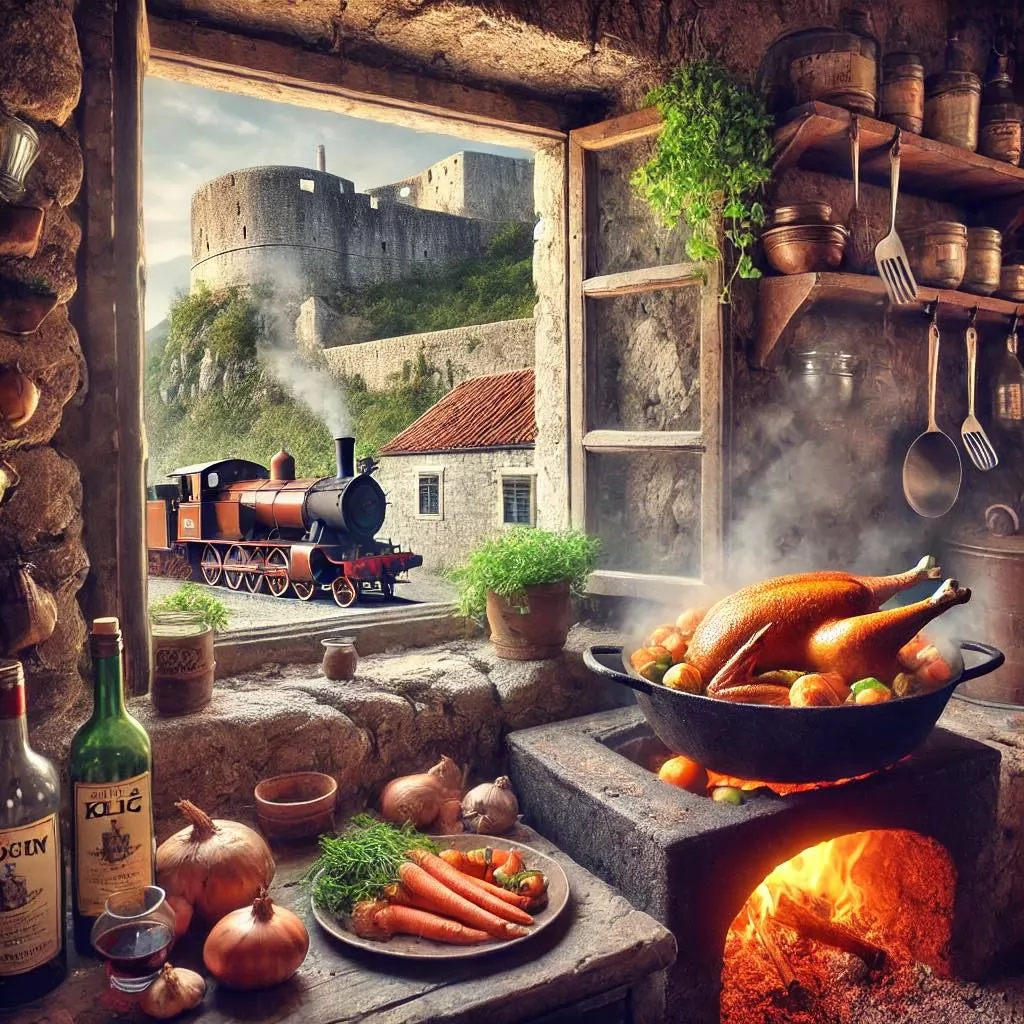
In the early 20th century, when construction of the famous Rera — the narrow-gauge railway linking Split and Sinj — first began, the work was supervised by French engineers.
I can best round up my thoughts with the words of Igor Mandić, from a TV interview: “Where does such pleasure come from when you write about food? From the simple demand of our physical existence in the world. A human is a machine programmed by nature, some will say by God. A skin bag with an entry and exit point, and the energy it needs to function comes from food. Because we are not just animals, we have raised ourselves from mere eating to the level of the kitchen, and then from kitchen to the level of gastronomy.”
I do not chase recipes – I chase the people who bring ingredients to my hands: the fisherman who lifted the net, the olive grower who guards his oil like gold, the grandmother who teaches you that "that little bit" is actually the most important. When I know where something comes from, I know what to do with it.
It is not the same to cook for a fisherman, for grandparents, for athletes or for a group who are trying something new for the first time. Food is my little tool to bring people to the same table.
What I like most is when every dish has a small story – whether it is a childhood memory, a smell from the boat, or something I learned from other chefs. Then the plate is no longer just a “portion”.

Asparagus and Egg in a Salt Shell… from Story to Recipe by Chef Vjeko

Here you can find some of my recipes.

STORY & RECIPE: Trogir-Style Lamb with Peas in the interpretation of Vjekoslav Grgantov — as a lamb burger with pea cream, spring onion cream, and sheep’s ricotta.

The miraculous weed: You can make spreads, sandwiches… from mišanca

Prepare Delicious Mackerel and Sardines on the Grill — Plus Four Excellent Recipes

Food That Has Survived Time — and This Chef Is Bringing It Back to Life

Marinated and cooked in lemon juice, they’re perfect for a Christmas Eve brunch /marenda/

Once, these dishes saved Dalmatia from hunger — and now many would ‘kill’ for them. We’ve got the recipes for these top delicacies.

Trogir’s traditional dishes… volci and nanari salad, mackerel with a bold “greza” salsa, and carob cubes.

(SEA)FOOD FOR GOOD: Bonito in a jar and “à la hare”… from story to recipe.
It can be a message of support, a collaboration idea, cooking, a workshop, a guest appearance or simply “hi, I like what you do”. I like when the story continues beyond the plate.
I like when people reach out without a big plan, just because they feel we could do something together. Those are usually the best stories.